
Smart Reef Keeping: Why the Right Aquarium pH Meter in Singapore is a Game Changer
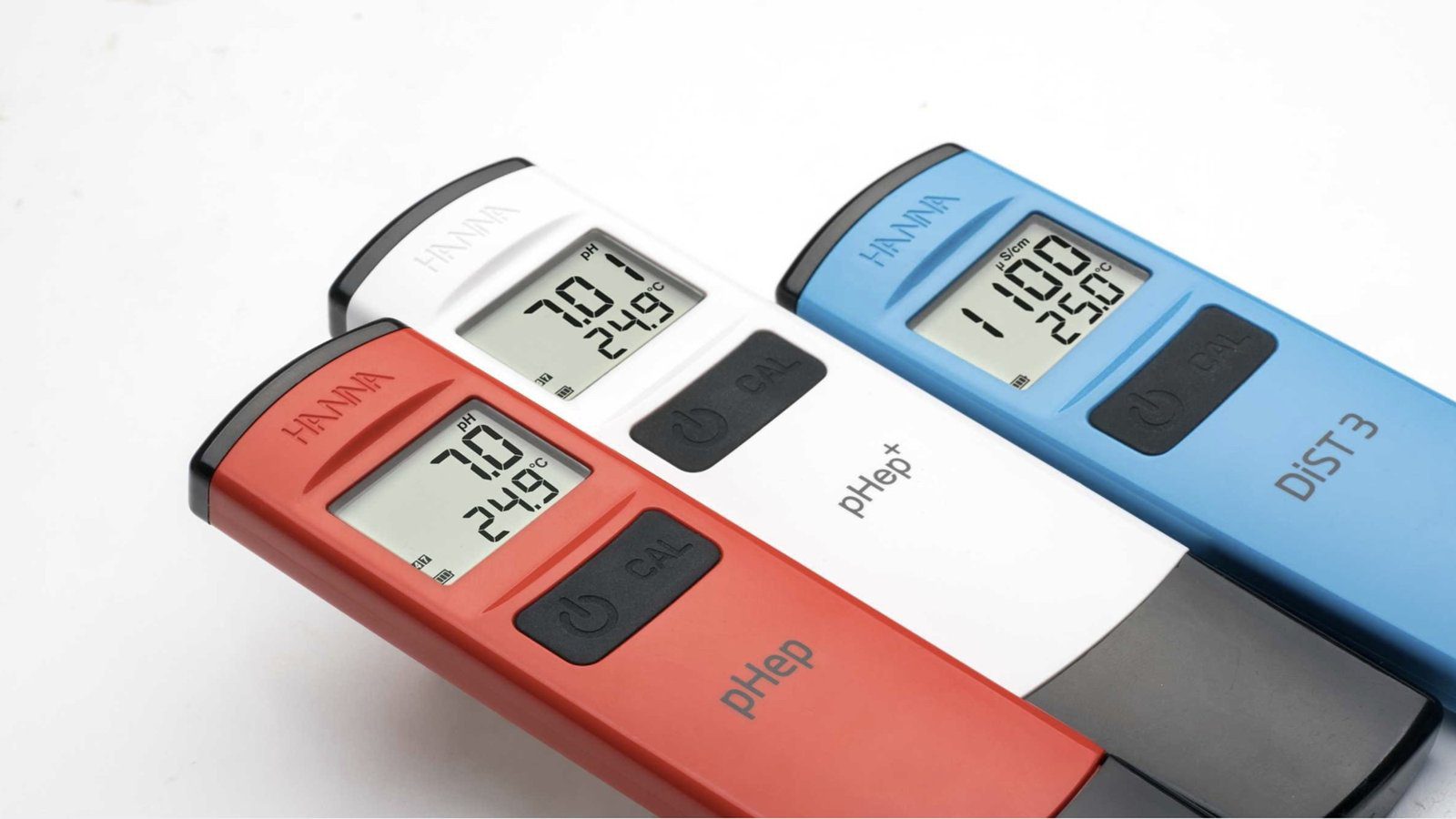
Singapore’s vibrant reef keeping community knows that maintaining a thriving slice of the ocean in our humid, tropical climate is both an art and a science. When you’re managing delicate SPS corals, anemones, and sensitive marine fish, “close enough” just doesn’t cut it. One parameter often dictates the success or failure of your entire aquatic ecosystem: pH.
If you are still relying on subjective color-matching chemical kits, upgrading your analytical instrumentation is the single biggest game changer for your reef.
Why pH is the Anchor of Your Reef
In a marine tank, pH isn’t just a number, it’s the engine that drives coral health.
- Calcification: Stony corals require a specific pH range (ideally 8.1 to 8.4) to build their calcium carbonate skeletons. If the pH dips too low, calcification slows down, and in extreme cases, coral skeletons can begin to dissolve.
- Toxicity Levels: The toxicity of other compounds in your water is directly tied to pH. For example, a sudden spike in pH can shift harmless ammonium into highly toxic free ammonia.
- Diurnal Swings: In a closed indoor environment like a Singaporean HDB flat or condo, ambient CO2 levels can get surprisingly high, driving down tank pH. Tracking the natural day/night pH swings is virtually impossible without a precise digital reading.
The Pitfall of Chemical Test Kits
For decades, the standard has been dropping reagents into a vial and trying to guess whether the water is “magenta” or “dark pink” under your living room lighting. This subjective guesswork often leads to chasing numbers, overdosing buffers, and stressing out livestock. True smart reef keeping relies on quantitative data, not visual estimation.
The Solution: Hanna Instruments Marine Line
When it comes to specialized analytical water testing, transitioning to reliable digital instrumentation removes the guesswork. The Hanna Instruments lineup delivers precision that was previously only accessible to commercial aquaculture or scientific laboratories, packaged right for the home reefer.
Here are the top instruments that will completely transform how you manage your reef’s chemistry:
1. Hanna pHep® Pocket pH Tester (HI98107)
If you are making the jump from chemical test kits to digital testing, the HI98107 pHep® is the perfect daily driver. It brings fast, precise spot-testing right to your pocket.
- No More Color Guessing: It delivers a clear digital readout with a 0.1 pH resolution and ±0.1 pH accuracy, eliminating the need to hold vials up to the light.
- Built for the Long Haul: It features a unique extractable cloth junction. If the junction gets clogged over time from saltwater use, you simply pull out a fresh portion of the cloth to renew the electrode and extend the life of the tester.
- Automatic Temperature Compensation: Because pH readings fluctuate with temperature, the HI98107 features an exposed temperature sensor for rapid, automatically compensated measurements (from 0 to 50°C), ensuring your reading is accurate regardless of your tank or room temp.
2. Hanna Marine Monitor (HI981520)
For the serious reefer aiming for a true “smart” setup, continuous monitoring is the gold standard. The HI981520 Marine Monitor acts as the dashboard for your aquarium.
- 24/7 At-A-Glance Data: It continuously displays pH, salinity, and temperature simultaneously. You can instantly see your tank’s diurnal pH swings from morning to night.
- Built-in Alarms: If a parameter drifts out of your optimal range, the monitor alerts you immediately. This is crucial for catching an overnight pH drop or a salinity spike from excessive evaporation before it impacts your corals.
Taking the Guesswork Out of Reefing
Upgrading to precise analytical instrumentation isn’t just about chasing perfection; it’s about achieving long-term stability. Whether you choose the pocket-sized durability of the pHep® HI98107 or the comprehensive 24/7 oversight of the Marine Monitor, integrating reliable instrumentation into your maintenance routine ensures that your water chemistry is built on solid data.
When you know your exact pH, you stop guessing, stop stressing, and start enjoying the vibrant, thriving reef you’ve worked so hard to build.
Common Questions About Aquarium pH Meters in Singapore
1. What is the ideal pH range for a reef aquarium?
Most stony corals and other calcifying reef inhabitants do best when tank pH sits between 8.1 and 8.4. Staying inside that band keeps calcification steady and protects coral skeletons from the slow dissolving that happens when pH drifts too low for extended periods.
2. How often should I calibrate a digital aquarium pH meter?
A pocket tester such as the HI98107 should be calibrated every one to two weeks for regular reef use, and more often if you dose buffers or notice readings that seem off. Calibration takes only a minute with standard pH 4.01, 7.01, or 10.01 solutions and is the single habit that keeps digital readings trustworthy.
3. Can I use a freshwater pH meter in a saltwater tank?
A standard pH meter will still measure pH correctly in saltwater, but the electrode junction needs to be rated for marine use. Hanna’s reef-ready testers use junctions designed to resist clogging from salt crystallization, which is why a purpose-built marine pH meter lasts longer than a generic freshwater probe dropped into a reef tank.
4. Why does my aquarium’s pH rise and fall between day and night?
This diurnal swing is driven by CO2. Photosynthesis during lighted hours pulls CO2 out of the water and nudges pH up, while respiration overnight raises CO2 and pulls pH back down. In a closed indoor space like a Singaporean HDB flat or condo, ambient CO2 can run higher than outdoors, which makes the swing more noticeable without continuous monitoring in place.
5. How long does a pH electrode last in a marine environment?
A well-maintained pH electrode in a marine setup typically lasts one to two years before the glass membrane or junction wears out. Testers with an extractable cloth junction, like the HI98107, extend that lifespan further because the cloth can be renewed as it clogs, rather than requiring a full electrode replacement.

