
Maximizing Lab Efficiency: The Rise of the Multiparameter Water Quality Meter
In today’s fast-paced laboratory and field testing environments, efficiency is no longer just a buzzword—it is an operational necessity. As testing volumes increase and turnaround times shrink, lab and environmental managers are actively shifting away from cluttered benches and bulky field kits filled with single-purpose instruments. The solution driving this modern transformation is consolidated testing technology. Enter the multiparameter water quality meter, a single, highly integrated tool designed to drastically reduce your equipment footprint while saving crucial time on calibration, testing, and data management.
Why One Device is Better Than Forty: The Power of Integration
Historically, comprehensive water analysis required a dizzying array of distinct meters, probes, and logging systems. Managing this complexity meant dealing with individual maintenance schedules, differing software interfaces, and cross-training staff on multiple platforms.
The technical advantage of a modern multiparameter system lies in its ability to centralize the analytical workload. A prime example of this evolution is the Hanna Instruments HI6000 Series Modular Multiparameter Benchtop Meter. This system represents the pinnacle of lab integration by using a modular “plug-and-play” approach. Instead of buying entirely new systems as your lab’s needs grow, the HI6000 allows you to simply snap in different measurement modules (such as pH, ORP, Conductivity, or Dissolved Oxygen) into a single, intuitive touchscreen hub. Operators only need to master one centralized operating system and maintain one primary device, drastically driving down human error and ensuring workflows remain standardized even as testing requirements expand.
From pH to Absorbance: Unmatched Versatility in One System
When evaluating versatile lab devices, the most critical factor is the sheer breadth of measurement capability. Today’s top-tier integrated systems can seamlessly shift between completely different analytical methods without requiring the operator to switch machines.
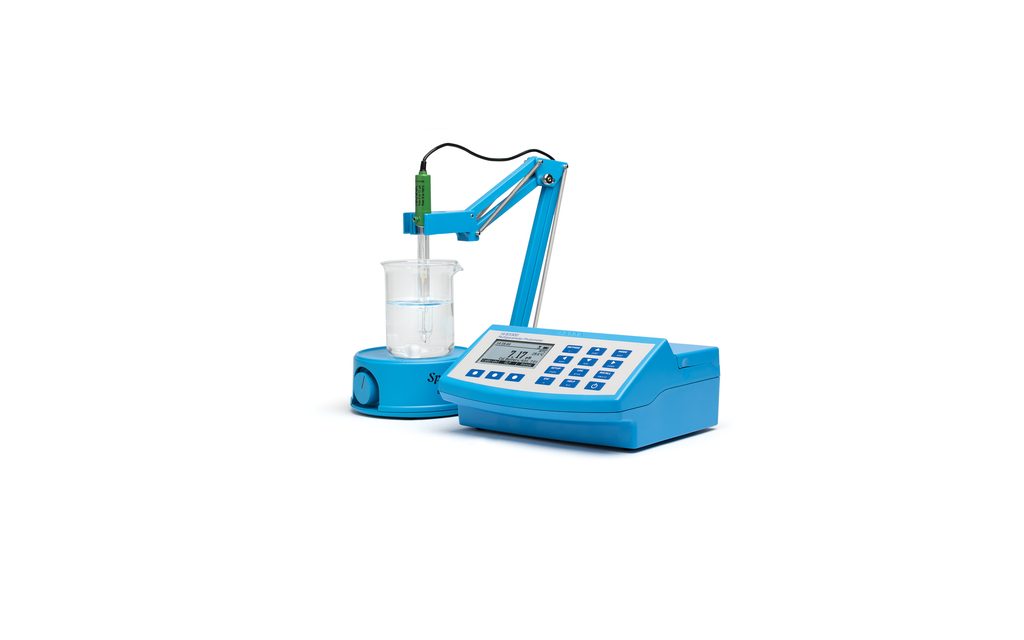
For high-volume benchtop work requiring chemical analysis, instruments like the Hanna Instruments HI83300 Multiparameter Photometer and pH Meter perfectly complement modular setups. It combines photometric absorbance measurements for dozens of specific nutrient and chemical concentrations with direct pH tracking in one compact unit.
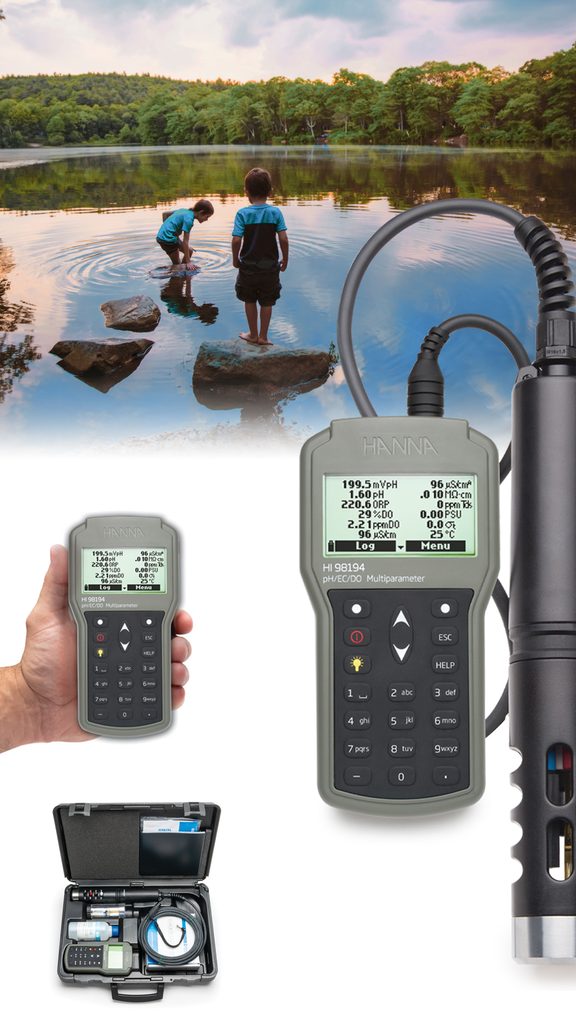
However, versatility isn’t just about what you can do on a bench; it is about extending that power into the field. For environmental monitoring and rigorous field sampling, professionals rely on rugged, portable multiparameter meters. The Hanna Instruments HI98194 serves as a foundational workhorse, capable of tracking up to 12 distinct water quality parameters using a single heavy-duty digital probe.
When more specialized field testing is required, the versatility scales up:
- The HI98494 introduces Bluetooth capability and advanced optical dissolved oxygen (LDO) technology, eliminating the need for membrane replacements and warm-up times.
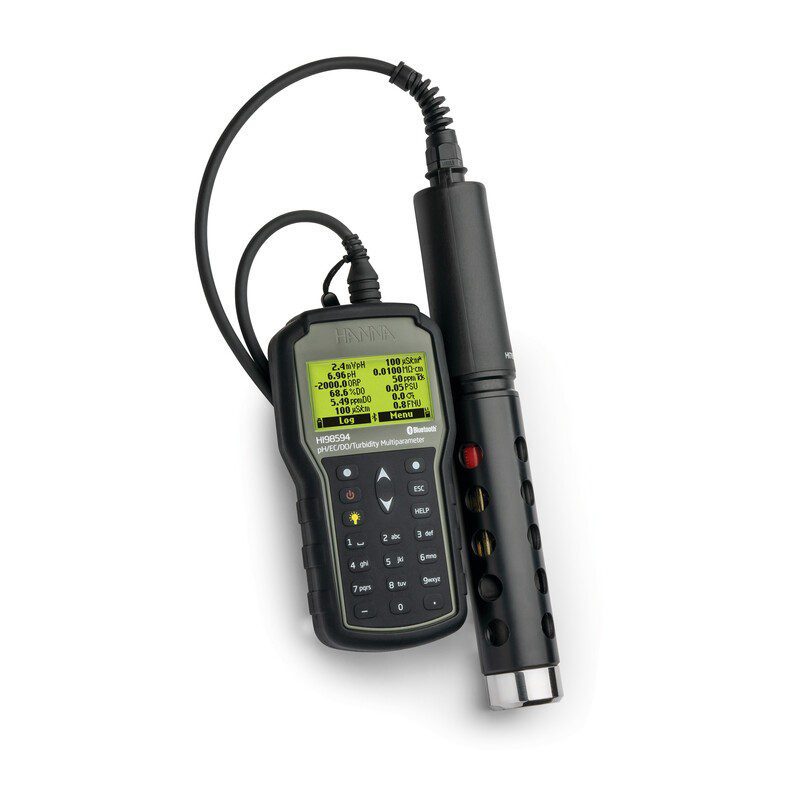
- The HI98594 pushes the boundaries further, adding turbidity as one of its function. It can withstand harsh environmental conditions and is ideal for field measurements. The meter meets IP67 standard (30-minute immersion at a depth of 1 m) and the multi-sensor probe is totally sealed against water and dust, and meets IP68 standard (continuous immersion in water). The meter incorporates a dual charging system, utilizing a rechargeable Li battery and backup alkaline batteries to extend field use.
3 Ways Modern Labs Are Streamlining Workflows Today
Upgrading to a multiparameter system yields immediate, measurable returns on investment. Here is how modern labs and field teams are leveraging this technology to optimize their daily operations:
- Reduced Calibration Time: Instead of dedicating the first hour of the day to calibrating multiple separate instruments, operators can use features like the “Quick Calibration” function found on meters like the HI98194, or leverage the HI6000’s centralized multi-channel calibration interface to streamline the morning prep.
- Lower Maintenance Costs: Fewer devices mean fewer individual service contracts, fewer replacement parts to stock, and a drastic reduction in unexpected downtime.
- Centralized Data Management: Integrated meters typically feature robust digital logging and seamless network, USB, or Bluetooth connectivity. This eliminates manual transcription errors and allows for instant, compliance-ready reporting across all tested parameters.
Eliminating Benchtop Clutter with Compact Design
Space is a premium in any modern lab, and weight is the enemy of any field technician. The traditional setup of lining up multiple bulky instruments creates a chaotic workspace with tangled power cords and competing screens.
Modern multiparameter water quality meters are specifically engineered to address this pain point. By utilizing a central command hub like the HI6000 series—which runs multiple measurement channels through a single sleek screen—or the ultra-thin, wall-mountable tablet profile of the Hanna edge®, laboratories regain valuable benchtop real estate. In the field, replacing heavy kits with the rugged, single-probe design of the HI98594 provides unmatched mobility. Consolidating your footprint creates a cleaner, safer, and more organized environment for complex testing.
Frequently Asked Questions About Multiparameter Testing
How many parameters can one meter measure?
While it varies by model, advanced multiparameter systems can cover immense ground. A rugged portable unit (like the HI98194) can measure 12 essential parameters (like pH, EC, and DO) simultaneously, while photometers and modular benchtop systems can track over 70 different specific chemical concentrations and electrochemical metrics from a single centralized device.
Are multiparameter meters as accurate as single-purpose tools?
Absolutely. In fact, many integrated systems improve overall accuracy by reducing sample transfer errors and utilizing smart digital electrodes that store their own calibration history independent of the meter. The optical and electrochemical sensors used in these consolidated devices are identical in quality and rigor to their single-purpose counterparts.
Ready to Upgrade Your Lab’s Testing Capabilities?
The shift toward integrated testing technology is fundamentally changing how modern labs and environmental monitoring teams operate. By replacing dozens of single-use tools with versatile, modular solutions like the HI6000 series or rugged portables, you not only reclaim your bench space but also unlock a new level of daily efficiency, accuracy, and data security.
If you are ready to streamline your workflow and maximize your laboratory’s output, it’s time to explore a consolidated solution. Reach out for a consultation today to find the exact multiparameter system tailored to your specific testing requirements.

