
On-Site Clarity: The Essential Guide to Portable Turbidimeters and Chlorine/pH Meters
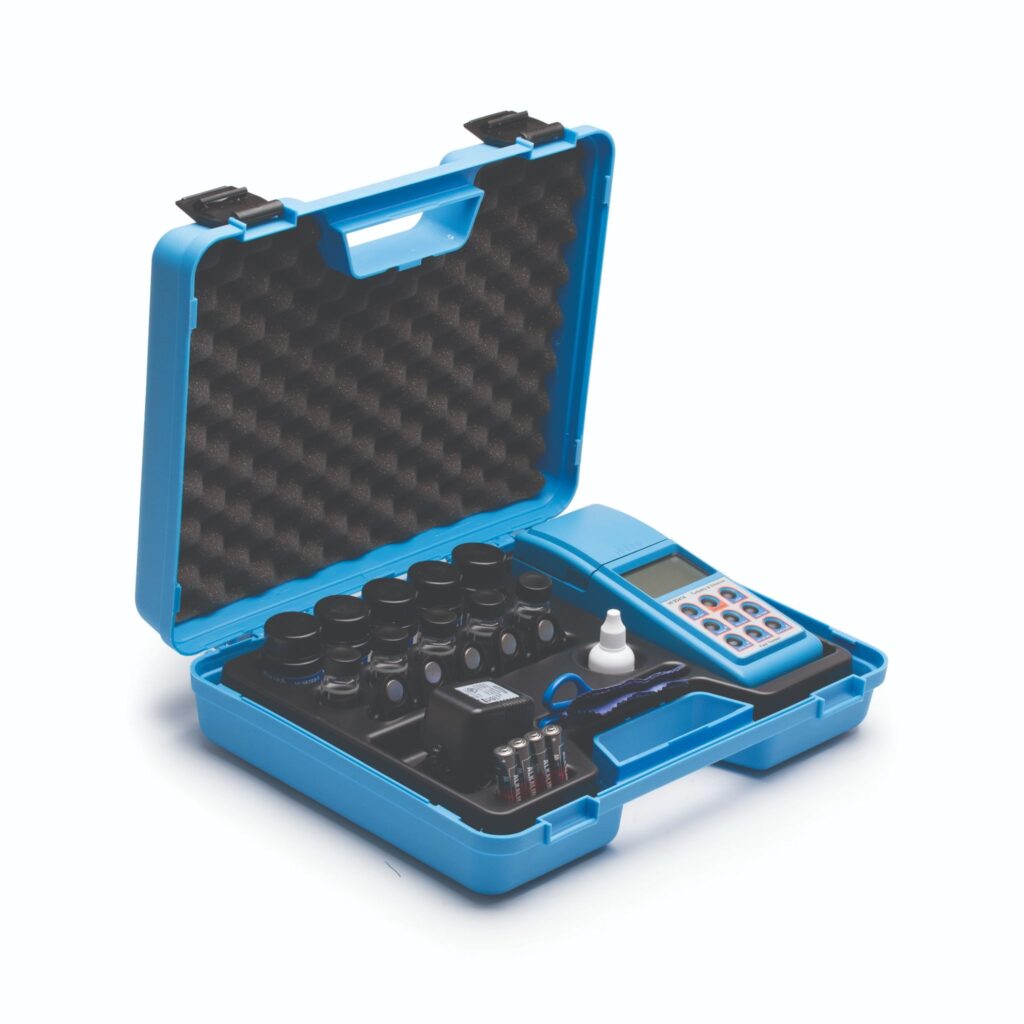
In the field, accuracy isn’t just a metric—it’s a requirement. Whether you are monitoring municipal water supplies in Singapore or managing remote environmental sites across Southeast Asia, the reliability of your data depends on how you handle your instrumentation.
For professionals utilizing high-precision equipment like the HI98129 Combo Meter or the HI93414 Turbidity and Chlorine Meter, mastering on-site techniques is the key to ensuring compliance and operational efficiency. This guide covers the best practices for achieving lab-grade results in the field.
1. The Science of Turbidity: Beyond the Visual
Turbidity is more than just “cloudy water”; it is a measure of the light-scattering properties of suspended solids. On-site, environmental factors like condensation and stray light can easily skew results.
- Index Your Vials: Always align the mark on the cuvette with the indexing mark on the meter. Even minor scratches or glass imperfections can scatter light and inflate NTU readings.
- Keep it Clean: Use a lint-free microfiber cloth to wipe down cuvettes. Fingerprints are oily and will interfere with the optical path.
- Silicon Oil is Your Friend: Apply a thin layer of silicon oil to the outside of the glass cuvette. This fills in microscopic scratches, ensuring the light passes through the sample uniformly.
2. Streamlining Chlorine and pH Testing
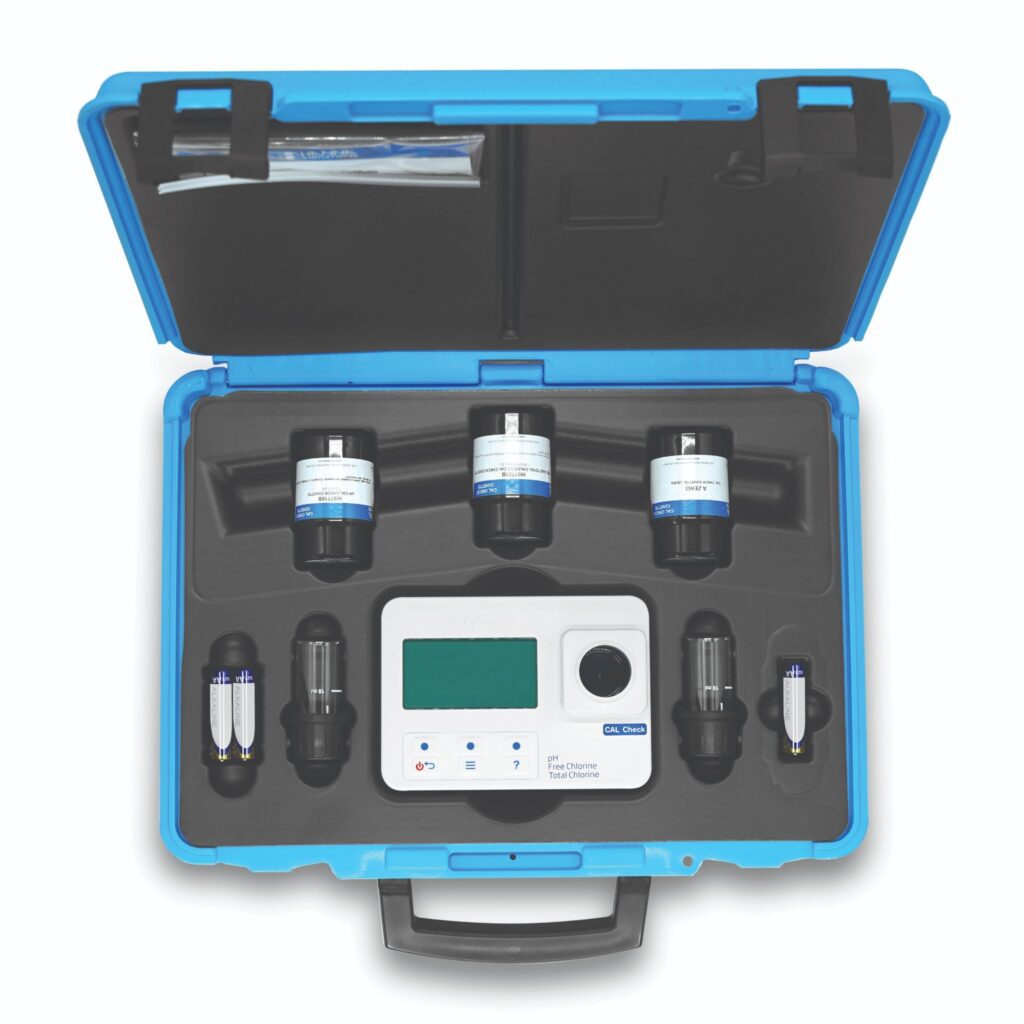
In water treatment, pH and Chlorine are the “Power Couple.” One affects the efficacy of the other. Using a multiparameter portable meter allows for rapid, simultaneous assessment, but maintenance is critical.
Critical Calibration
- pH Buffers: Always calibrate using at least two points (typically pH 4.01 and 7.01). In Singapore’s humid climate, ensure your buffer sachets or bottles are fresh; pH 10.01 buffers are particularly prone to CO2 contamination once opened.
- DPD Reagents: When testing for Free or Total Chlorine, ensure the reagent powder dissolves completely. Any undissolved crystals will scatter light and result in a false high reading.
Electrode Care
The most common cause of “drifting” pH readings is a dry or dirty junction.
- Storage: Never store your pH electrode in deionized (DI) water. Use a dedicated storage solution (HI70300) to keep the reference junction hydrated and responsive.
3. Overcoming Field Challenges
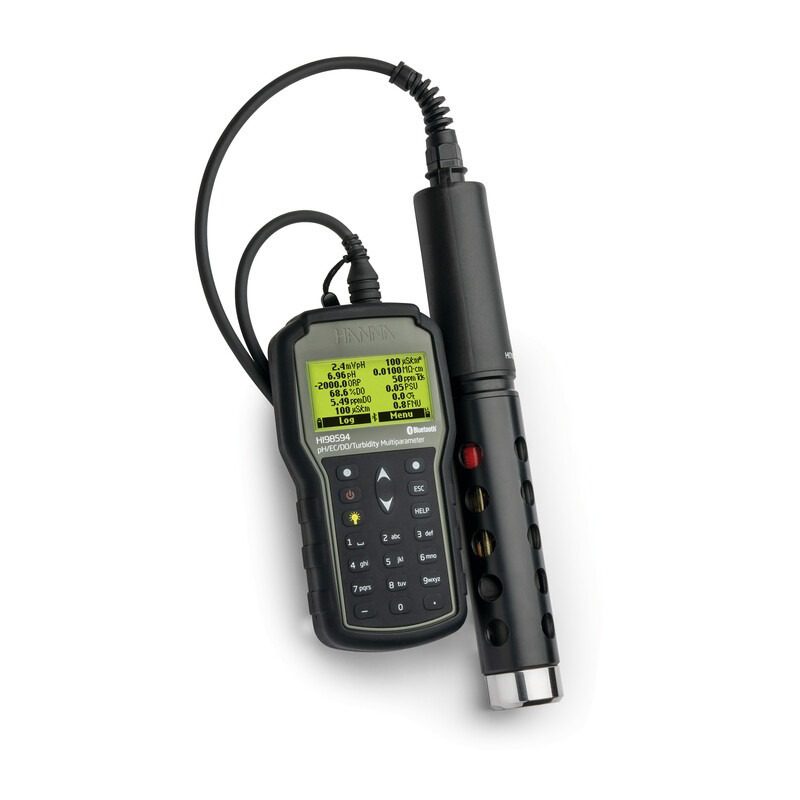
Operating in diverse terrains—from the industrial hubs of Jurong to remote field sites—presents unique variables.
- Temperature Compensation: Rapid temperature shifts can affect pH slope. Ensure your portable meter has Automatic Temperature Compensation (ATC) to adjust the reading in real-time.
- Zeroing the Meter: Always “zero” your meter using the specific sample water before adding reagents for chlorine testing. This accounts for any natural color or turbidity already present in the source.
4. Why Quality Instrumentation Matters
Using purpose-built portable meters reduces the “human error” factor. Modern instruments are designed with IP67 waterproofing and backlit displays to handle the rigors of the field, ensuring that the data you collect at 2:00 PM in the sun is as accurate as the data from the lab at 9:00 AM.
Summary Checklist for Field Success:
| Task | Frequency | Why it Matters |
|---|---|---|
| Calibration | Daily / Before Use | Ensures accuracy against known standards. |
| Cuvette Cleaning | Every Test | Prevents light interference from debris/oils. |
| Junction Cleaning | Monthly | Prevents “slow” or drifting pH readings. |
| Battery Check | Weekly | Prevents mid-field shutdowns and data loss. |
Looking to upgrade your field kit?
Explore the full range of Hanna Instruments’ portable solutions, designed for the unique water profiles of Singapore and the sub-regional cluster. From multiparameter kits to specialized turbidity meters, we provide the clarity you need to make informed decisions on-site.

