
Complete Guide To Measuring pH In Food: Direct Vs. Slurry
Key Takeaways:
- Acidity levels directly dictate the safety, taste, and longevity of consumable products.
- The slurry pH method requires homogenizing solid food in deionized water, which takes time and alters the sample.
- Direct pH measurement uses application-specific probes to test solid items without creating a mixture.
- Lower dilution ratios in mixtures yield results that more closely match direct testing.
- Maintaining accurate readings requires continuous monitoring of your probe’s offset and slope.
Acidity levels dictate the safety, taste, and longevity of consumable products. When managing food production in Singapore, understanding how to record these values correctly determines the success of your batches. Measuring pH in food impacts important processes like fermentation, pathogen control, and overall shelf life. Even a slight miscalculation can lead to spoiled inventory or safety hazards.
Getting an accurate reading can be problematic. Food items vary heavily in texture, moisture content, and fat composition. These variables make testing difficult because you face challenges regarding sample preparation and choosing the right testing tool. You must understand the mechanics of different testing procedures to gather accurate data and protect your production outcomes.
The Core Debate: Slurry pH Method Versus Direct Measurement
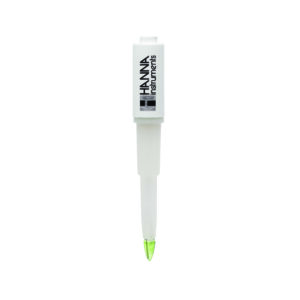
Food scientists and quality control managers frequently debate the best way to extract accurate data from solid or semi-solid samples. The industry primarily relies on two distinct approaches.
Understanding The Slurry Approach
The traditional slurry pH method involves homogenizing a portion of the solid food sample in deionized water. Because standard laboratory probes require a liquid medium to function properly, technicians must break down the solid item into a liquid state.
This process generally involves the following steps:
- Weighing a specific amount of the solid product.
- Adding a measured volume of deionized water to create a set ratio.
- Blending or homogenizing the mixture until it becomes a uniform liquid.
- Submerging a standard general-purpose probe into the mixture to gather a reading.
While this approach works, it introduces variables. The addition of water alters the original state of the product, and creating the mixture takes considerable laboratory time.
The Shift To Direct pH Measurement
You can contrast the traditional approach with direct pH measurement. This modern technique tests the solid product directly without the need to create a slurry.
Instead of altering the product, technicians use specialized tools designed to penetrate solids and semi-solids. These application-specific probes interact with the natural moisture present within the product itself. This allows you to bypass the blending phase entirely, saving time and keeping the sample in its original state.
The Experiment Overview: Testing Common Food Profiles
To understand the difference between these two approaches, Hanna Instruments conducted a detailed case study. The research evaluated how different preparation techniques and tool selections impacted the final data.
The study focused on three distinct food types:
- Dough: A semi-solid with high moisture and active fermentation processes.
- Salami: A dense, high-protein meat product with varying fat content.
- Cheese: A solid dairy product that changes texture based on age and moisture.
The research team compared a standard general-purpose laboratory electrode against three application-specific probes designed for specific textures.
The Testing Instruments
The experiment utilized the following models:
- HI11310: A standard general-purpose laboratory electrode typically used in liquid solutions.
- HI10480: A specialized probe designed to handle difficult, mixed-texture samples.
- FC2020: A probe specifically engineered for dense dairy products like cheese.
- FC2320: A probe built to penetrate tough meat products like salami.
By comparing the standard laboratory tool against the specialized models across different preparation mixtures, the researchers gathered valuable data regarding accuracy and efficiency.
Key Findings And Takeaways From The Study
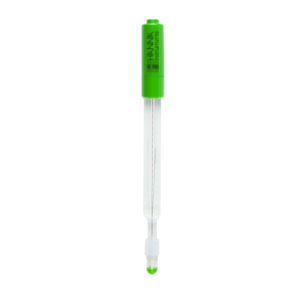
The Hanna Instruments case study revealed several important facts about how sample preparation and tool selection impact your results.
Dilution Matters
The research showed that readings change significantly based on the dilution ratio used in the slurry mixture. When technicians add water to a solid sample, the water dilutes the available ions.
The study highlighted the following facts regarding mixtures:
- High ratios of water to solid food create a larger margin of error.
- Lower ratios of solid-to-water yield results that more closely match direct measurements.
- Deionized water lacks buffering capacity, meaning the added volume can shift the natural acidity balance of the product.
Because dilution alters the chemical environment, maintaining a tight, low-ratio mixture is highly recommended if you must use a blending technique.
The Power Of Specialized Probes
The study highlighted that application-specific probes are highly beneficial for modern food production facilities. They allow for direct, non-destructive testing and eliminate the need for time-consuming sample preparation.
When you use the right food quality testing equipment, you gain access to physical features that standard glass bulbs lack. The specialized tools in the study succeeded because of specific design choices:
- Open Junction Designs: Traditional probes use small ceramic frits that easily clog when exposed to fats and proteins. Open junction designs resist clogging because they allow the reference electrolyte to flow freely into the sample.
- Conical Tips: Standard round bulbs cannot pierce dense items like salami or cheese. Conical tips allow for easy penetration without breaking the glass membrane.
- Food-Safe Body Materials: Specialized tools often feature durable plastic or titanium bodies that protect the delicate internal components from physical stress during insertion.
Electrode Health Indicators
Regardless of the procedure you choose, the study emphasized that users must monitor specific health indicators to maintain accuracy. The physical condition of your glass membrane and reference junction directly dictates the reliability of your data.
You must monitor two main technical metrics:
- Offset: This represents the millivolt reading in a neutral pH 7.01 buffer. Offsets should fall strictly within +/- 15 mV.
- Slope: This represents the millivolt response between different buffer values. The slope should ideally remain above 90 percent.
If your tool falls outside of these parameters, it will produce inaccurate data, regardless of how well you prepare your sample.
Essential Features Of A Food pH Electrode
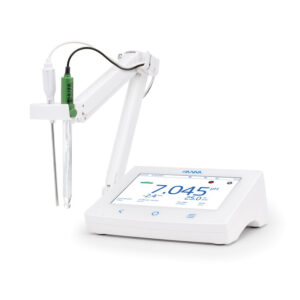
When evaluating your testing inventory, you must match your tools to your specific product inventory. A bakery testing dough requires different equipment than a meat processing facility testing salami.
To collect accurate data without blending your samples, look for tools that incorporate specialized features. The glass sensing membrane must be tough enough to withstand physical force. The reference junction must be able to handle heavy fats and proteins without becoming blocked.
Many facilities struggle to maintain consistency because they use general-purpose tools for specialized tasks. If you want to streamline your workflow and reduce the time spent preparing samples, you need to invest in tools built specifically for the textures you handle daily. When you are ready to upgrade your laboratory and find reliable pH testers, choosing models with conical tips and open junctions will immediately improve your data collection.
Maintaining Your Food Quality Testing Equipment
Even the most advanced application-specific probes require regular maintenance to function correctly. Solid foods leave behind heavy residues. Fats, proteins, and carbohydrates coat the glass sensing membrane and block the reference junction.
If you fail to remove these residues, your tool will become sluggish and inaccurate. General cleaning solutions often fail to break down specific food deposits. Therefore, you must use cleaning solutions tailored to your specific product type. For example, enzymatic cleaners are highly effective at breaking down protein deposits left by meat and cheese.
Proper storage is equally important. The glass sensing membrane must remain hydrated at all times. If the glass dries out, the delicate hydrated layer breaks down, rendering the tool useless. You should never store your probes in deionized water, as this will pull the electrolyte solution out of the reference junction. Always use a dedicated storage solution to keep the glass active and ready for the next test.
Frequently Asked Questions
How often should I calibrate my food pH electrode?
You should calibrate your testing tools daily before beginning your measurement routine. If you are testing a high volume of samples or working with extremely dense materials, calibrating twice a day provides better data reliability. Always use fresh buffer solutions to prevent contamination.
Can I use a standard glass probe for solid foods?
Standard glass probes feature delicate round bulbs and restricted ceramic junctions. Pushing a standard bulb into a solid item like cheese or meat will likely shatter the glass. Additionally, the fats and proteins will quickly clog the ceramic junction. You should reserve standard tools for liquids and use conical, open-junction models for solids.
What is the best storage solution for my testing equipment?
You must use a specifically formulated storage solution provided by the manufacturer. This liquid maintains the correct chemical balance inside the tool. Storing the tool dry or in distilled water will cause severe damage to the internal reference system.
How do I know when to replace my probe?
You should replace your probe when it fails to calibrate correctly or when the health indicators fall out of range. If the offset exceeds +/- 15 mV or the slope drops below 90 percent even after a thorough cleaning, the tool has reached the end of its functional life span.
Securing Better Accuracy In Your Daily Testing Routine
Protecting your food production processes requires dedication to strict laboratory procedures. The Hanna Instruments study clearly demonstrates that choosing direct measurement techniques over traditional mixtures saves time and reduces the margin of error. However, achieving accurate data relies entirely on how well you manage your equipment.
To maintain high standards in your facility, wrap up your daily procedures by following these five essential steps for complete testing accuracy:
- Select the proper electrode for the specific application: Match your tool’s tip shape and junction style to the exact texture and fat content of your product.
- Use storage solutions to maintain the glass sensing membrane’s hydrated layer: Never store your tools dry. Always keep the protective cap filled with the correct storage liquid.
- Calibrate frequently using fresh buffers: Perform calibrations daily using clean buffer solutions that bracket your expected measurement range.
- Clean the electrode periodically with proper solutions: Use application-specific enzymatic cleaners to remove stubborn proteins, fats, and carbohydrates after each testing session.
- Continuously monitor the offset and slope characteristics: Track your millivolt readings during calibration to verify that the tool remains within the +/- 15 mV offset and above the 90 percent slope threshold.
By adopting these practices and switching to application-specific probes, you can record exact acidity levels quickly and cleanly. Hannah Singapore provides the specialized tools required to test your products without the hassle of traditional blending methods.
Shop Today to upgrade your laboratory tools and bring exact measurement standards to your daily production routine.

